Home Improvement Upgrades That Help Clients Save Money on Energy Bills
Energy bills continue to rise, and homeowners everywhere are looking for practical ways to reduce monthly expenses. One of the smartest ways to lower those costs is through strategic home improvement upgrades. Many homeowners focus on aesthetics during renovations, but energy-efficient improvements can deliver long-term savings while increasing comfort and boosting property value.
For clients planning home upgrades, focusing on energy efficiency is no longer optional. It has become one of the most important aspects of modern living. From insulation improvements to smart home systems, the right upgrades can significantly reduce electricity and heating costs.
In this guide, we will explore the best home improvement upgrades that help clients save money on energy bills and improve overall home performance.
Why Energy-Efficient Home Improvements Matter
Energy-efficient upgrades do more than just lower utility costs. They create healthier living spaces, improve indoor comfort, and reduce environmental impact. Many older homes waste energy because of outdated materials, poor insulation, and inefficient systems.
By investing in smart home improvements, clients can:
Reduce monthly utility expenses
Improve indoor air quality
Increase home resale value
Enhance year-round comfort
Lower carbon footprint
Minimize maintenance costs
These benefits make energy-focused renovations one of the most valuable investments homeowners can make.
Upgrade Insulation for Better Temperature Control
Insulation is one of the most effective ways to improve a home’s energy efficiency. Poor insulation allows heat to escape in winter and enter during summer, forcing HVAC systems to work harder.
Key areas to upgrade insulation include:
Attics
Walls
Basements
Floors
Crawl spaces
Modern insulation materials such as spray foam, fiberglass, and cellulose can significantly improve energy performance. Proper insulation helps maintain indoor temperatures and reduces heating and cooling demands.
Clients who improve insulation often notice immediate changes in comfort and long-term reductions in energy bills.
Install Energy-Efficient Windows
Old windows are one of the biggest sources of energy loss in homes. Single-pane windows and poorly sealed frames can allow air leaks and heat transfer.
Upgrading to energy-efficient windows provides several benefits:
Better insulation
Reduced heat gain in summer
Lower heat loss in winter
Improved UV protection
Enhanced soundproofing
Double-pane and triple-pane windows with low-emissivity coatings are excellent choices. These windows help regulate indoor temperatures and reduce the workload on heating and cooling systems.
Although window replacement requires an upfront investment, the energy savings can be substantial over time.
Upgrade to Smart Thermostats
Smart thermostats have become one of the most popular energy-saving upgrades for modern homes. These devices allow homeowners to control heating and cooling systems more efficiently.
Benefits of smart thermostats include:
Automatic temperature adjustments
Remote access through mobile apps
Learning usage patterns
Scheduling based on occupancy
Energy consumption tracking
Instead of heating or cooling an empty house, smart thermostats optimize usage and prevent unnecessary energy waste.
Clients can save a significant percentage on heating and cooling costs simply by upgrading this small but powerful device.
Replace Old HVAC Systems
Heating and cooling systems account for a large portion of household energy use. Older HVAC systems are often inefficient and expensive to operate.
Signs it may be time to upgrade include:
Frequent repairs
High energy bills
Uneven room temperatures
Poor airflow
Outdated technology
Modern HVAC systems use less energy while delivering better performance. High-efficiency air conditioners, furnaces, and heat pumps can drastically reduce monthly utility costs.
Clients should also ensure regular maintenance to keep systems operating efficiently.
Seal Air Leaks Around the Home
Air leaks may seem minor, but they can waste a surprising amount of energy. Gaps around windows, doors, vents, and pipes allow conditioned air to escape.
Common areas for air sealing include:
Door frames
Window edges
Electrical outlets
Plumbing openings
Attic access points
Using weatherstripping, caulking, and foam sealants can quickly improve energy efficiency.
This low-cost home improvement can provide immediate savings and improve comfort.
Upgrade Lighting to LED
Lighting is one of the easiest areas to improve for energy savings. Traditional incandescent bulbs consume much more electricity than modern LED options.
Advantages of LED lighting include:
Lower energy consumption
Longer lifespan
Less heat production
Reduced replacement costs
Better brightness options
Replacing all bulbs with LED lighting can noticeably reduce electricity bills over time.
This simple upgrade is affordable and offers one of the fastest returns on investment.
Install Solar Panels
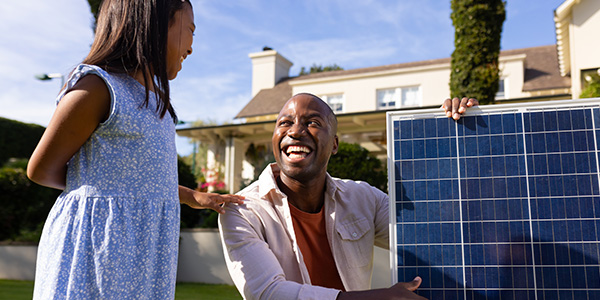
Solar panels are among the most powerful long-term energy-saving investments for homeowners. They allow homes to generate their own electricity, reducing dependence on utility providers.
Benefits of solar panels include:
Lower electricity bills
Renewable energy source
Tax incentives in some areas
Higher property value
Reduced environmental impact
Although the installation cost can be high, the long-term savings are often worth it.
For clients planning major renovations, adding solar power can be a smart move toward energy independence.
Upgrade Water Heaters
Water heating is another major source of household energy use. Older water heaters often consume more energy than necessary.
Energy-efficient options include:
Tankless water heaters
Heat pump water heaters
Solar water heaters
Tankless systems are especially popular because they heat water only when needed, eliminating standby energy loss.
This upgrade can lower water heating costs while providing reliable hot water.
Use Energy-Efficient Appliances
Kitchen and laundry appliances can consume a large amount of electricity. Older appliances are often much less efficient than modern models.
Important appliances to upgrade include:
Refrigerators
Dishwashers
Washing machines
Dryers
Ovens
Energy-efficient appliances are designed to use less power and water without sacrificing performance.
Clients replacing outdated appliances can often see noticeable reductions in utility bills.
Improve Roofing for Energy Efficiency
Roofing plays a major role in temperature control. A damaged or outdated roof can increase heating and cooling costs.
Energy-saving roofing upgrades include:
Cool roofs
Reflective materials
Proper attic ventilation
Roof insulation improvements
Cool roofing materials reflect more sunlight and absorb less heat, keeping homes cooler during hot seasons.
This can reduce air conditioning costs and improve indoor comfort.
Install Ceiling Fans
Ceiling fans are an affordable way to improve air circulation and reduce energy usage. They help distribute air more effectively, reducing the strain on HVAC systems.
Benefits include:
Better airflow
Lower cooling costs
Improved room comfort
Reduced heating support in winter
In summer, ceiling fans create a cooling effect that allows homeowners to raise thermostat settings without losing comfort.
This small upgrade can contribute to noticeable savings.
Upgrade Doors for Better Insulation
Exterior doors can be another source of energy loss. Old or damaged doors may allow drafts and poor insulation.
Energy-efficient doors provide:
Improved sealing
Better insulation
Reduced drafts
Enhanced security
Upgrading entry doors, patio doors, and garage doors can improve the home’s thermal performance and reduce energy waste.
Add Smart Power Strips
Many electronics continue consuming electricity even when turned off. This is known as phantom energy use.
Smart power strips help eliminate this waste by cutting power when devices are inactive.
Common devices that benefit include:
TVs
Gaming systems
Computers
Chargers
Entertainment centers
This simple solution can reduce unnecessary electricity use and lower monthly bills.
Upgrade Flooring with Energy Efficiency in Mind
Flooring can also impact home insulation. Certain materials retain heat better and improve indoor comfort.
Energy-efficient flooring options include:
Carpet for insulation
Cork flooring
Engineered wood
Vinyl with thermal underlayment
Upgrading floors can make rooms feel warmer in winter and reduce heating demands.
This is especially helpful for homes with cold floors or poor underfloor insulation.
Install Better Ventilation Systems
Proper ventilation helps maintain indoor air quality while reducing moisture buildup. Poor ventilation can make HVAC systems less effective.
Energy-efficient ventilation systems include:
Energy recovery ventilators
Heat recovery ventilators
Improved exhaust systems
These systems help maintain airflow without significant energy loss.
Clients can improve comfort while reducing overall heating and cooling costs.
Use Window Treatments for Energy Savings
Window treatments can provide extra insulation and reduce heat gain.
Effective options include:
Thermal curtains
Cellular shades
Insulated blinds
Solar shades
These treatments help block sunlight in summer and trap heat in winter.
They are a budget-friendly way to support larger energy-saving upgrades.
Upgrade Plumbing Fixtures
Reducing water usage also reduces energy costs, especially when heating water.
Energy-saving plumbing fixtures include:
Low-flow showerheads
Efficient faucets
Dual-flush toilets
Water-saving fixtures reduce water consumption while lowering water heating costs.
This upgrade offers both environmental and financial benefits.
Create a Whole-Home Energy Plan
Instead of making random upgrades, clients should consider a complete energy strategy. A professional home energy audit can identify areas where energy is being wasted.
An energy audit can help prioritize:
Insulation upgrades
HVAC improvements
Window replacement
Appliance upgrades
Air leak sealing
This approach ensures clients invest in the upgrades that will deliver the biggest savings.
Final Thoughts
Home improvement projects are not just about making a house look better. They can also make a home smarter, more comfortable, and more affordable to maintain. Energy-efficient upgrades offer long-term value that extends far beyond appearance.
For clients looking to save money on energy bills, the best strategy is to focus on improvements that reduce energy waste and improve efficiency. Whether it is upgrading insulation, replacing windows, installing smart technology, or investing in solar panels, every step can contribute to lower monthly costs.
The key is to plan carefully, prioritize high-impact upgrades, and think about long-term savings. With the right home improvement decisions, clients can enjoy a more energy-efficient home while protecting their budget for years to come.